
Understanding Tetouan before you arrive
Tetouan sits between the Rif foothills and Morocco’s Mediterranean coast. Its strongest visual identity comes from two connected but distinct urban areas: the UNESCO-listed medina, shaped by Andalusian traditions, and the Ensanche, or Spanish-planned new town, with broad streets and early twentieth-century façades. Seeing both prevents the city from becoming a one-note medina visit.
Two days allow a careful city itinerary. Add a third for Martil, Tamuda Bay or another coastal stop. Tetouan is quieter than nearby Tangier and demands less time in traffic, but the old city is intricate. Plan one guided or well-mapped medina circuit, then return independently once you understand the main gates and squares.
Enter the medina with a clear route
Begin around Place Hassan II, where the Royal Palace frontage marks the transition between the Ensanche and old city. Security arrangements mean visitors should follow barriers and avoid photographing sensitive entrances. From the square, choose a medina gate and save its location for your return. The historic quarter is compact in distance but layered in elevation, lanes and specialised markets.
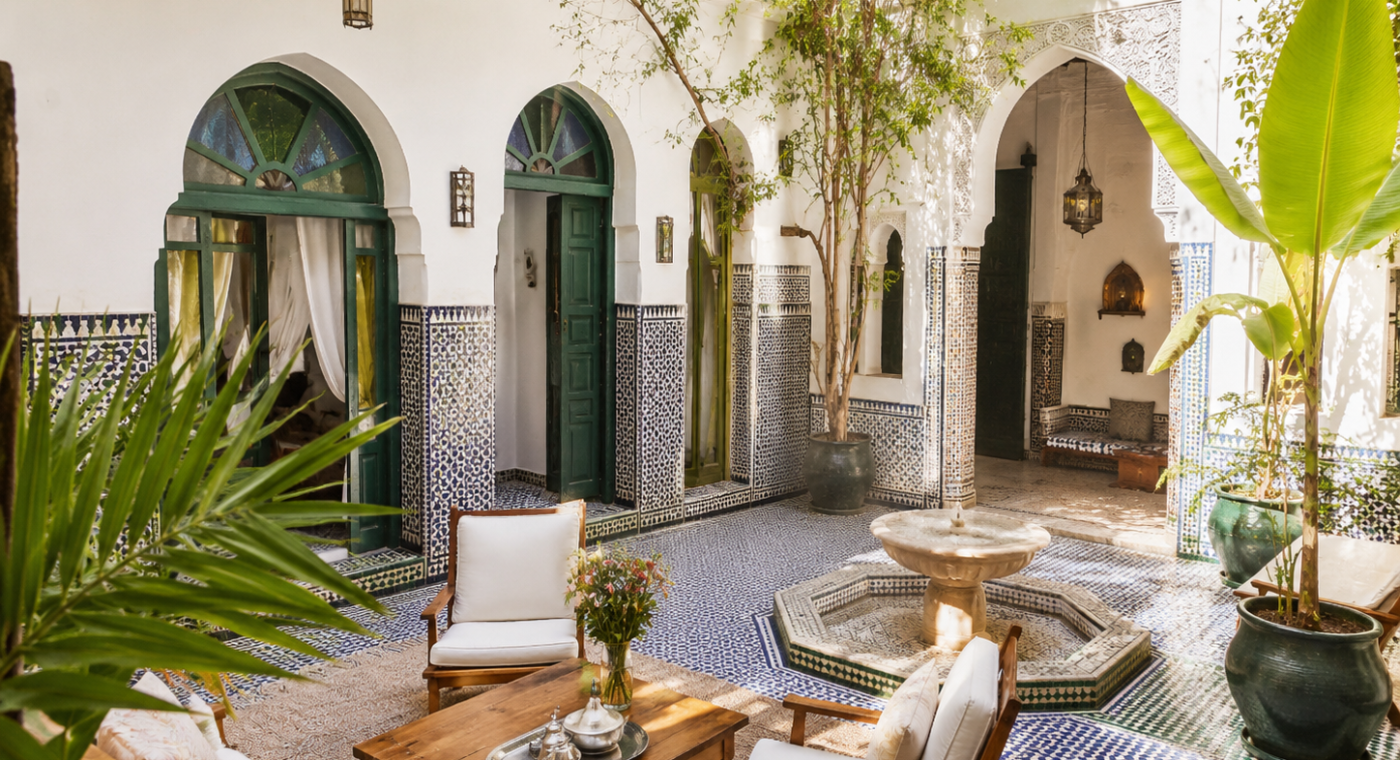
The medina’s UNESCO status reflects its preserved urban fabric and strong Andalusian character. White walls, green details, covered passages, fountains and working neighbourhoods matter as much as any single monument. Guersa El Kebira is associated with textiles and crafts, while other lanes concentrate leather, woodwork, food and household goods. Observe workshops without blocking customers, and ask before photographing a person at work.
Why a licensed guide can be useful
A licensed guide can connect architecture, migration history and craft traditions while keeping the route efficient. Clarify the duration, language, fee and included visits before starting. A guide should add context rather than funnel the walk through unwanted shops. Independent travellers can still navigate successfully by using offline maps and noting major gates, but they should allow extra time.
Museums, crafts and cultural context
For a museum-by-museum plan, current heritage references and routes that avoid repeating the same streets, continue with the Tetouan attractions guide.
Tetouan’s museums help explain what appears in the streets. The Archaeological Museum presents regional material, while institutions focused on ethnography, modern art or local heritage may be relevant depending on current schedules. Names, locations and access can change during renovation, so verify each museum through an official or current local source rather than relying on an old itinerary.
Craft traditions remain visible in embroidery, painted wood, leatherwork, metal, tiles and woven goods. Quality varies. Compare several shops, ask what was made locally and inspect finishing before buying. Bargaining may be appropriate in some market settings, but it should remain calm and respectful. Fixed-price cooperatives can help visitors understand a realistic range before purchasing elsewhere.
Walk the Ensanche
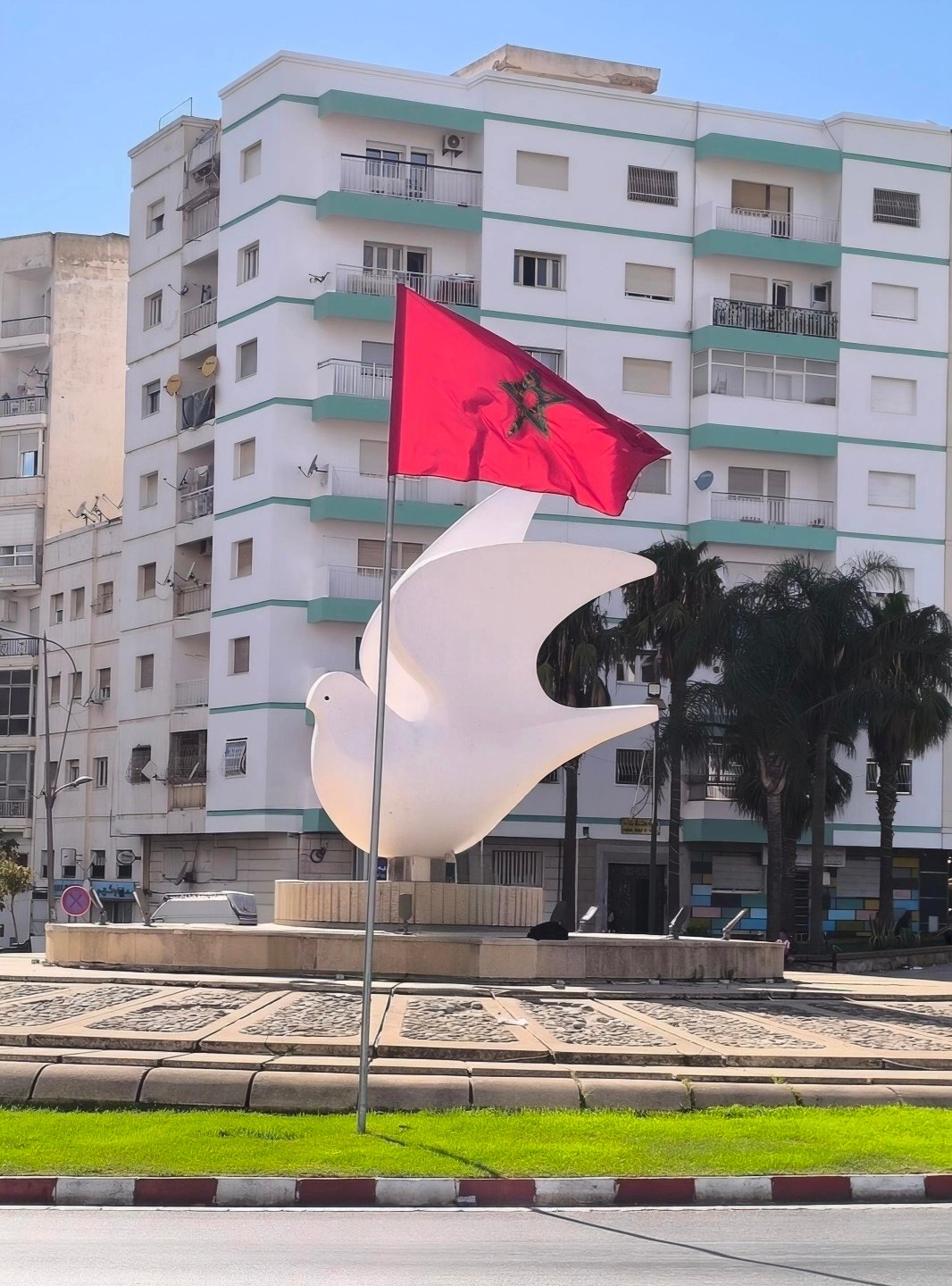
The Ensanche provides physical and visual relief after the medina. Its grid, balconies and civic buildings reflect Tetouan’s Spanish-period development. Walk Avenue Mohammed V and surrounding streets, paying attention to façades, signage and the relationship between cafés and public space. Place Moulay El Mehdi and the Church of Our Lady of Victory are useful orientation points.
This district is a practical base for travellers who prefer easier taxi access, lifts and conventional hotels. It also works well in the evening, when families and residents use the central streets. The architecture is best appreciated at walking pace; a hurried taxi circuit misses the proportions and details that distinguish it from other Moroccan centres.
Food to look for in Tetouan
For breakfast ideas, seafood planning, meal budgets and practical ordering advice, use the dedicated Tetouan restaurants and food guide.
Northern Moroccan cooking appears in soups, tagines, pastries, grilled meats and fish brought from the Mediterranean coast. Jben, a soft fresh cheese associated with the north, is often served with bread and olive oil. Pastilla may appear in savoury or sweet-influenced variations, while local bakeries provide breads and small pastries suitable for breakfast or a walking break.
Choose busy establishments with clear turnover. In the medina, simple dining rooms may have a short daily menu rather than printed choices. Ask what is available before ordering. Near the coast, seafood pricing may depend on species and weight; confirm how the total will be calculated. Travellers with allergies should explain ingredients directly, because sauces, broths and shared cooking surfaces are not always described on menus.
Where to Stay in Tetouan
For a deeper comparison of traditional riads, modern city hotels and coastal bases, see the Tetouan hotels guide.
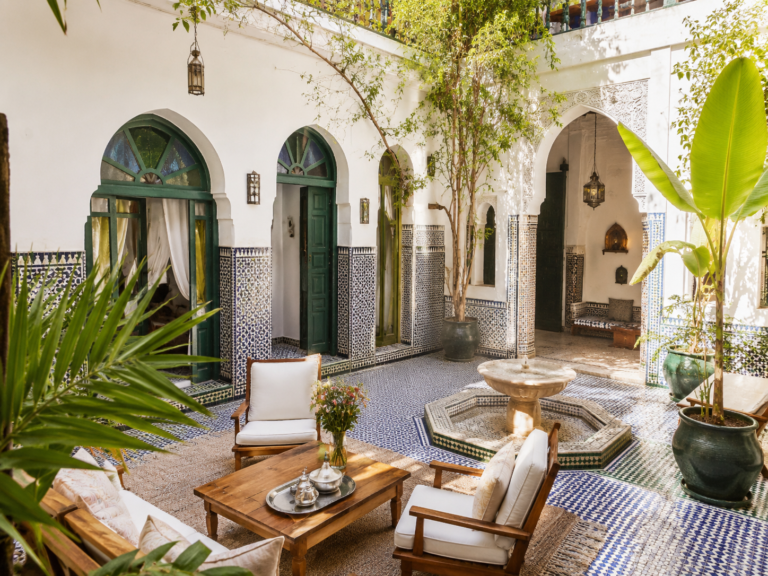
The medina and Ensanche serve different types of visit. A riad gives immediate access to historic lanes but may have stairs and limited vehicle access. A modern hotel outside the walls simplifies luggage handling and coastal day trips.
El Reducto
El Reducto sits near the Royal Palace entrance to the medina. It fits travellers who want a small historic property and a short walk to the old city, provided they are comfortable with the scale and layout of a traditional riad.
Blanco Riad
Blanco Riad is another intimate medina option, useful for visitors who value atmosphere and an on-site dining setting. Ask about the exact room position, stairs and the nearest taxi drop-off.
Hotel Chams
Hotel Chams offers a more conventional stay outside the tightest historic streets. It can suit drivers, families and travellers planning Martil or Tamuda Bay. Check current transport time to the medina rather than judging from a straight-line map. Prices vary with summer coastal demand, room category and booking conditions.
A responsible coastal day
Martil lies close enough for a simple half-day or evening by road. Farther along, the Tamuda Bay corridor includes beaches and resort zones around places such as M’diq and Fnideq. Beach facilities, seasonal crowds and transport frequency vary, so select one area instead of attempting the entire coastline.
Use official taxis or arrange a known driver, especially for the return after dinner. Agree on the fare and pickup details. Follow local swimming warnings and use staffed sections where possible. Outside peak season, some services close or reduce hours even when the weather is bright.
Getting to and around Tetouan
For taxis, CTM coaches, Tangier rail connections and coastal road trips, read the Tetouan transportation guide. Travellers arriving by air can separately compare TTU and Tangier in the flights to Tetouan guide.
Saniat Rmel Airport serves Tetouan, but flight frequency may be limited. Many international visitors arrive through Tangier and continue by road. Buses, shared taxis and private transfers connect the cities; travel time depends on traffic and the exact terminals. Confirm schedules and baggage arrangements before arrival.
Within Tetouan, walking covers the medina and central Ensanche. Petit taxis are useful for museums, bus stations and neighbourhoods beyond the core. Carry the written name or map pin of your destination. The city does not sit on Morocco’s main passenger rail network, so train travellers normally transfer through Tangier or another connected city.
Best time to visit
April through June and September through October generally suit long urban walks and coastal outings. July and August bring stronger beach demand and higher accommodation pressure along the Mediterranean. Winter is cooler and wetter, especially in shaded medina lanes, but the city remains active and can feel more local.
Pack layers because the coast and foothills produce quick temperature changes. Shoes with grip help on sloped paving. If your visit overlaps Ramadan or a major holiday, confirm museums, restaurants and transport, as daily schedules may shift.
Budget and prices
A daily budget of roughly 450–1,300 MAD per person can cover a simple guesthouse and local meals, or a more comfortable hotel with museum visits, taxis and a better dinner. Coastal resorts can cost substantially more, particularly in summer. A private guide or driver should be budgeted separately.
These figures are planning ranges, not fixed prices. Season, booking timing, room type and availability affect the final cost. Ask whether breakfast, local taxes and transfers are included. Keep small cash for markets and taxis while using cards at established hotels where accepted.
Nearby places that fit the route
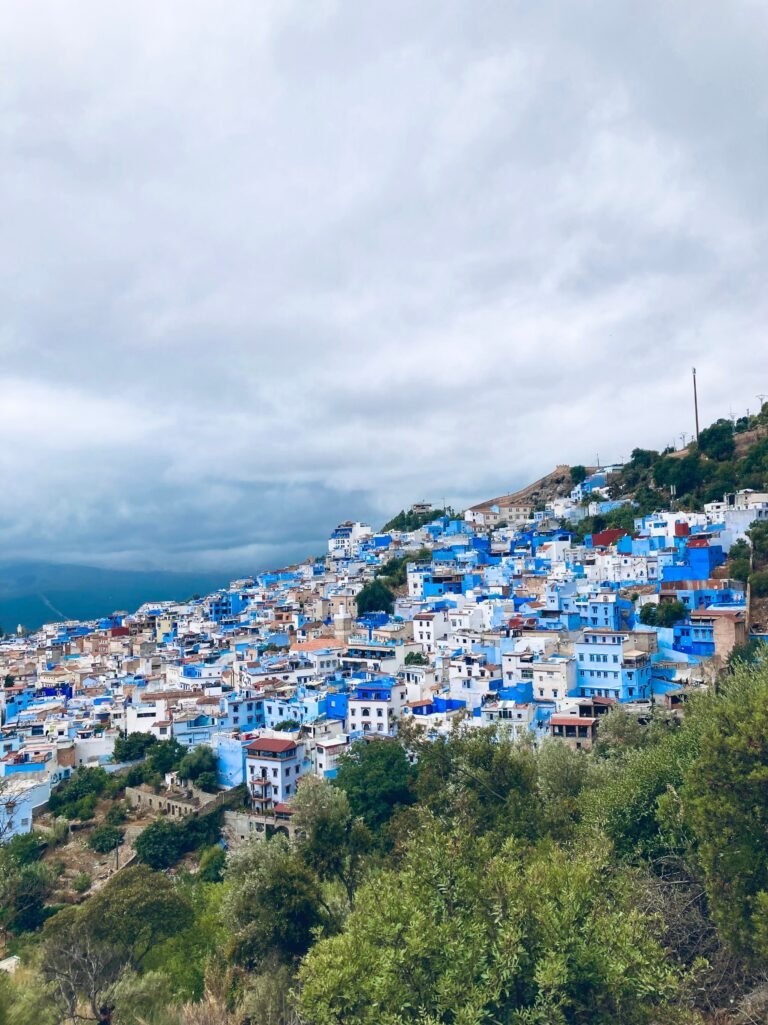
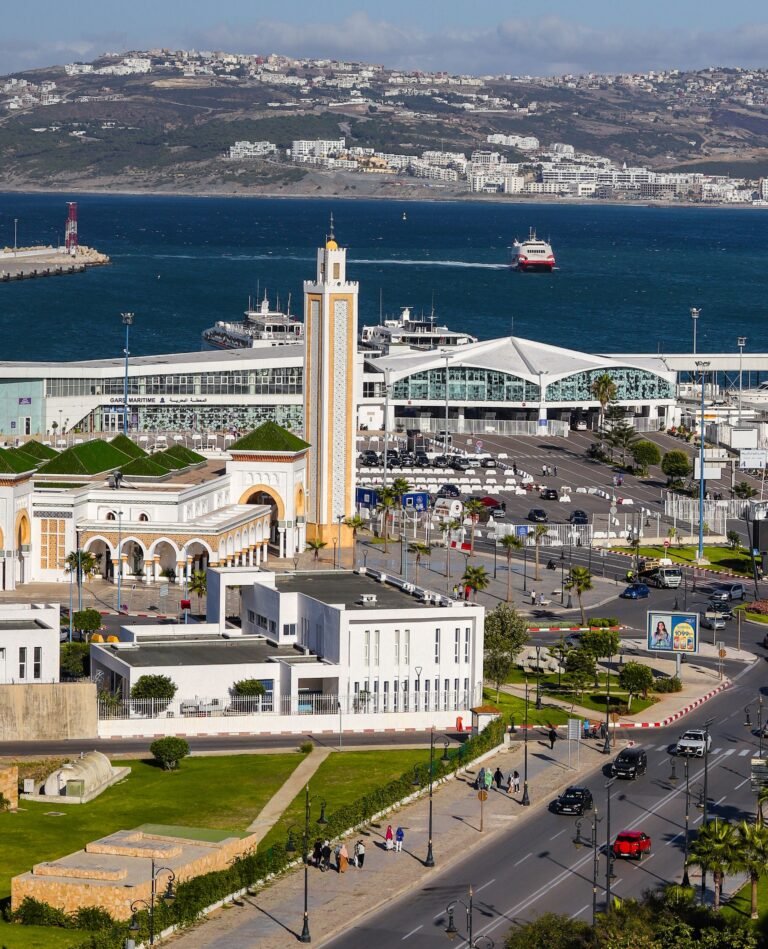
Chefchaouen is a logical overnight extension or long day trip, reached by road through the Rif. Tangier offers rail connections, a larger waterfront and a contrasting international history. Both deserve independent planning; adding them should not reduce Tetouan to a two-hour stop.
The archaeological site of Tamuda lies near the city, but access conditions and interpretation may vary. Confirm current visitor arrangements before travelling specifically for the site. A knowledgeable local guide can make fragmentary remains easier to understand.
Tetouan combines naturally with Tangier and Chefchaouen, but each deserves its own day. Avoid treating all three as quick photo stops on one rushed circuit.
Practical etiquette
Tetouan’s medina is a lived neighbourhood. Keep voices moderate in narrow residential lanes, ask before portraits and do not photograph through open doors. Dress comfortably and with consideration, particularly around religious buildings. Non-Muslim access to active mosques is generally restricted unless a site explicitly provides visitor entry.
When buying crafts, ask questions about materials and production instead of focusing only on price. Refuse unwanted services politely and clearly. Carry water but avoid creating waste; a refillable bottle and reusable bag are helpful.
Frequently asked questions
Is Tetouan worth visiting if I have seen other Moroccan medinas?
Yes. Its preserved Andalusian plan, northern crafts and relationship with the Ensanche give it a distinct character recognised by UNESCO.
Can I combine Tetouan and Chefchaouen in one day?
Transport makes it possible, but the result is rushed. Give each city a full day or stay overnight if your schedule allows.
Do I need to stay on the coast?
No. Stay in central Tetouan for culture and use a taxi for one coastal outing. Choose a beach property only when sea time is the priority.
How much walking is involved?
Expect several hours on uneven and sometimes sloped streets. Taxis reduce distances outside the medina but cannot enter its narrowest lanes.
Planning Your Time in Tetouan
The most rewarding visits leave room for unplanned discoveries. Rather than trying to follow a rigid sightseeing schedule, group nearby places together and allow extra time inside the medina, where workshops, markets and small architectural details often become the most memorable part of the day. Keep museums flexible around their current opening hours, and use the late afternoon for the Ensanche when its cafés and public spaces become livelier. If you are staying inside the medina, save the nearest accessible taxi point on your phone before going out; this is especially useful when returning with luggage or after dark.
Final Planning Note
Tetouan is best approached as a city to explore rather than a list of attractions to complete. Its UNESCO-listed medina reveals centuries of Andalusian influence through streets that are still part of everyday local life, while the Ensanche tells a different chapter through its avenues and early twentieth-century architecture. Give both areas enough time, choose coastal excursions according to your interests, and leave some space in the schedule for the markets, cafés and workshops that cannot be planned in advance.