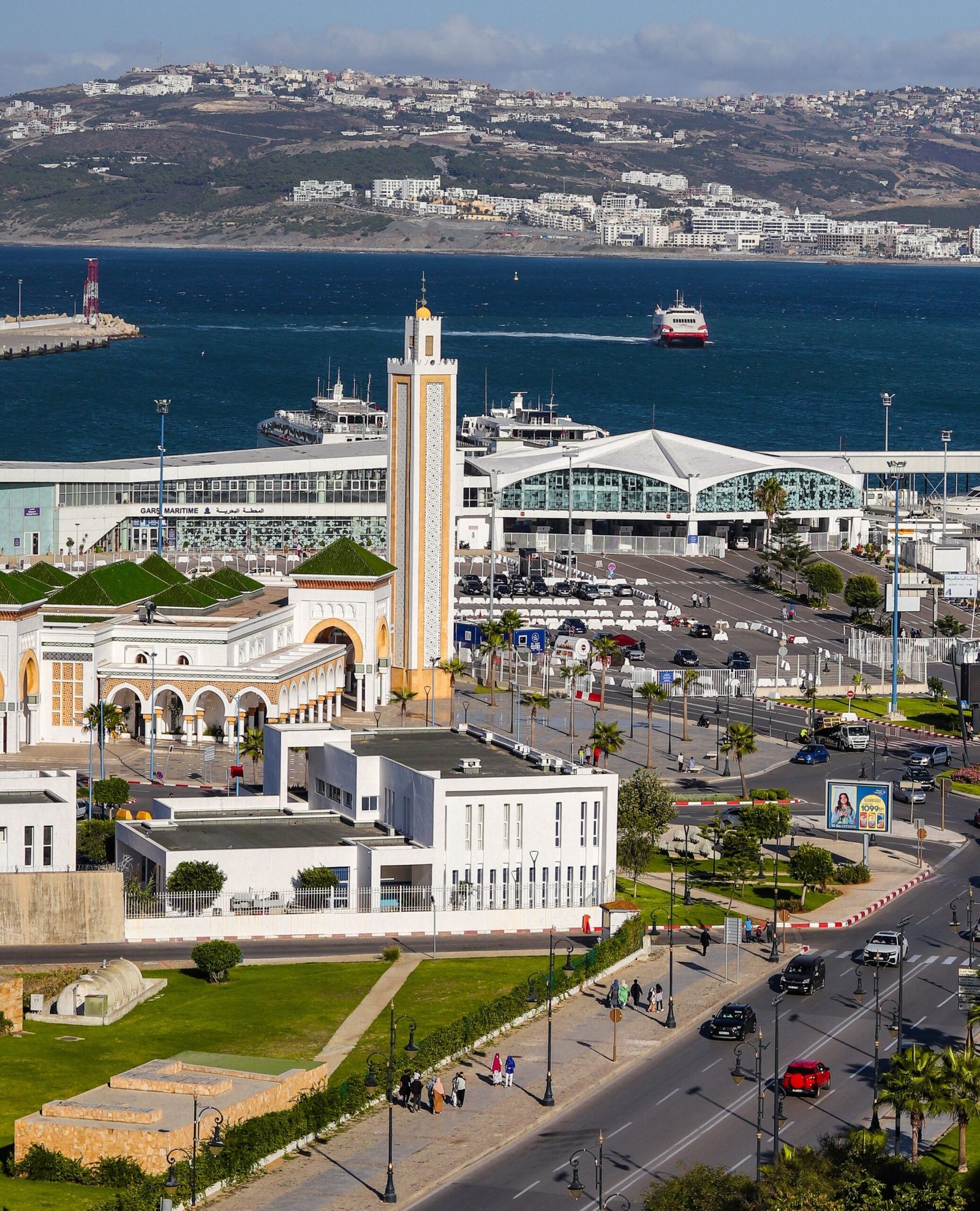

Why Tangier deserves more than a transit stop
Tangier occupies Morocco’s northern edge, facing the Strait of Gibraltar where Atlantic and Mediterranean routes meet. That geography explains much of the city’s character: port activity, whitewashed hillside neighbourhoods, European architectural traces and a medina that has long received merchants, artists and travellers. Modern rail connections make Tangier easy to reach, yet its strongest experiences still unfold on foot—through the Kasbah, around Grand Socco and along streets that repeatedly open toward the water.
A first visit works best when it is divided into compact zones. Give the old city an unrushed morning, the central twentieth-century avenues a separate walk, and the coast its own half or full day. This approach leaves room for museums, cafés and small observations rather than turning Tangier into a checklist. Two full days are enough for the main urban sights; three allow Cape Spartel and the Atlantic shore without sacrificing the city itself.
Start with Grand Socco and the medina
Grand Socco, officially Place du 9 Avril 1947, forms a practical threshold between the newer city and the medina. Arrive in the morning, when shopkeepers are opening and the square is easier to read. The nearby Mendoubia Gardens offer a brief green pause before you enter the tighter streets. Inside the walls, ignore the urge to follow a single “correct” route. The medina rewards a loose circuit through food stalls, textile shops, neighbourhood bakeries and small squares.
Save key places on an offline map, including Bab Fahs, Petit Socco and your chosen route toward the Kasbah. Street signs are inconsistent and stairs can change what looks like a short route. Petit Socco once sat at the centre of Tangier’s international social life; today it is a useful place to stop for tea and watch the flow of residents and visitors. Café prices are usually higher on prominent squares than on side streets, so choose the view consciously rather than assuming every terrace offers the same experience.
The American Legation
The Tangier American Legation Museum occupies a historic diplomatic property within the medina. Its collection and architecture add context that the lanes alone cannot provide, especially for travellers interested in the city’s international period and artistic connections. Opening arrangements can change, so consult the institution’s current information before building your day around it. Even with a confirmed schedule, allow time to locate the entrance.
Climb to the Kasbah
The Kasbah crowns the old city. Approaching uphill reveals quieter residential lanes, decorated doors and occasional glimpses across the harbour. The former sultan’s palace houses the Kasbah Museum of Mediterranean Cultures, whose courtyards and exhibits connect Tangier to wider Moroccan and Mediterranean histories. Verify current opening days and ticketing before visiting; restoration, holidays and seasonal schedules can affect access.
After the museum, walk through the upper lanes rather than descending immediately. Several terraces look toward the Strait, but seating and prices differ. A single well-chosen stop is more satisfying than moving between near-identical viewpoints. Late afternoon light can be attractive, while mornings tend to be calmer for photography. Residents use these passages as everyday routes, so keep doorways and stairs clear.
Read the modern city through its architecture
Outside the medina, Boulevard Pasteur and the surrounding streets show another Tangier. Look for early twentieth-century façades, cinemas, hotels and apartment buildings rather than focusing only on named monuments. The Gran Teatro Cervantes is an important landmark in the city’s cultural memory, although access to the interior should never be assumed. The experience here is an architectural walk: observe street proportions, balconies, lettering and the relationship between older buildings and contemporary commerce.
Place de France and its nearby cafés provide an easy orientation point. Continue toward the seafront if energy and weather permit, or split the modern centre into a separate evening stroll. Traffic is heavier outside the medina, and crossings deserve attention. Comfortable shoes matter because the day combines slopes, polished paving and long urban blocks.
The waterfront, marina and city beach
Tangier’s redeveloped waterfront changes the pace of a medina-heavy itinerary. The marina, promenade and broad bay offer space for a level walk, especially around sunset. The city beach is convenient, but swimming conditions and water quality can vary with weather and local circumstances. Follow posted guidance and choose staffed areas when entering the sea.
Restaurants along the waterfront range from simple cafés to formal dining rooms. Review menus before sitting down and ask whether fish is priced by portion or weight. A meal here can be worthwhile for the setting, but the city’s best-value cooking is not confined to the coast. If you want only the view, a coffee or juice may be enough.
Cape Spartel and the Atlantic side
Cape Spartel lies beyond the centre and should be treated as an excursion, not an extension of a medina walk. The headland provides a broad coastal outlook, while the Caves of Hercules and nearby beaches are commonly combined on the same route. Hire a taxi for a return journey, arrange a driver, or join a reputable small tour. Agree on waiting time, stops and total price before departure.
The popular phrase that visitors can see a precise line where two seas meet is more poetic than dependable. Currents, light and weather shape what is visible. The real value lies in the headland landscape, wind, lighthouse setting and transition to the Atlantic coast. Bring a layer even on a bright day, as exposed viewpoints can feel cooler than central Tangier.
Where to Stay in Tangier
Choose accommodation by the part of the city you expect to use most. Medina stays shorten early-morning walks but often involve stairs and a luggage carry; the bay and railway district are easier for train arrivals; the western hills offer more space but require taxis.
Fairmont Tazi Palace Tangier
Fairmont Tazi Palace Tangier is a luxury choice in the Boubana hills. It suits travellers prioritising a resort-style property, gardens and on-site facilities over walking directly into the medina. Include regular taxi costs in the budget.
Barceló Tanger
Barceló Tanger faces the bay near the central waterfront. Its position works well for the promenade, city-centre cafés and short taxi rides to Grand Socco, while remaining more conventional than a riad.
Hilton Garden Inn Tanger City Center
Hilton Garden Inn Tanger City Center is practical for Tanger Ville station and travellers continuing by rail. It is farther from the Kasbah, so plan at least one taxi journey for old-city sightseeing. Rates and room conditions change by date; compare the final total, cancellation terms, breakfast and local taxes before booking.
Food experiences worth planning
Tangier’s table reflects northern Moroccan cooking and its coastal position. Look for fish chermoula, grilled sardines when available, seafood tagines, harira, bissara and breakfast plates with breads, olive oil, cheese and eggs. Seasonal quality matters more than a long menu. At fish restaurants, ask what arrived that day and how it will be priced.
A traditional bakery or neighbourhood café provides useful insight into daily routines without requiring a formal “food tour.” Mint tea remains common, but Tangier also has a strong coffee culture. Try one historic café for setting and another modest local establishment for contrast. If dietary requirements are important, explain them clearly; the same utensil or cooking surface may be used for several dishes.
Getting around efficiently
Walk inside the medina and across the central core. Petit taxis are the practical option for urban journeys; they are small, metered vehicles permitted to operate within the city. Ask the driver to use the meter where applicable and carry small cash. At busy times, a taxi may take more than one passenger travelling in a similar direction.
Tanger Ville is the main passenger railway station for modern intercity services. Confirm the station on your ticket and arrive with time to find the platform. Al Boraq high-speed trains connect Tangier with Kenitra, Rabat and Casablanca, while other services extend the network. Use ONCF’s official booking channels for current times and fares.
Tangier Ibn Battouta Airport lies outside the centre. Licensed taxis and pre-arranged transfers are the simplest options. Journey time is traffic-dependent, so do not calculate an airport departure from map distance alone.
Best time to visit
Spring and autumn generally offer comfortable walking temperatures and softer demand than the busiest summer weeks. Summer suits travellers prioritising the coast, but the medina and major viewpoints become busier. Winter can bring wind and rain, though clear days remain rewarding and accommodation may be better value.
Weather near the Strait changes quickly. Pack a light windproof layer, sun protection and shoes with grip. During Ramadan and religious holidays, daytime rhythms and opening hours may differ; visitors can still travel comfortably by checking schedules and showing consideration around meal times.
Budget and approximate costs
A practical daily budget is approximately 550–1,600 MAD per person, excluding intercity transport and premium hotels. At the lower end, choose a simple guesthouse, local meals, walking and a few petit-taxi rides. A mid-range day can include a comfortable hotel, museum admission, a coastal taxi excursion and a restaurant dinner. Luxury waterfront rooms and private drivers raise the total quickly.
Prices change with season, booking date, service level and availability. Confirm hotel taxes, breakfast inclusion and cancellation terms before payment. For taxis hired by time or for a Cape Spartel circuit, agree the route and total price first. Keep cash for small purchases but avoid carrying more than you need.
A practical three-day Tangier itinerary
Day one: old Tangier
Begin at Grand Socco, cross the medina toward the American Legation and pause at Petit Socco. Continue uphill for the Kasbah Museum if open, then spend late afternoon in the upper lanes. Finish with one panoramic café and dinner near the medina edge.
Day two: architecture and water
Walk Boulevard Pasteur and the surrounding modern streets in the morning. After lunch, descend toward the marina and promenade. Use the evening for a seafood meal or a return to a central café, depending on weather.
Day three: the Atlantic
Arrange a morning or afternoon circuit to Cape Spartel, the Caves of Hercules and one Atlantic viewpoint. Keep the other half of the day flexible for shopping, a museum missed earlier or a final medina walk.
Useful side trips
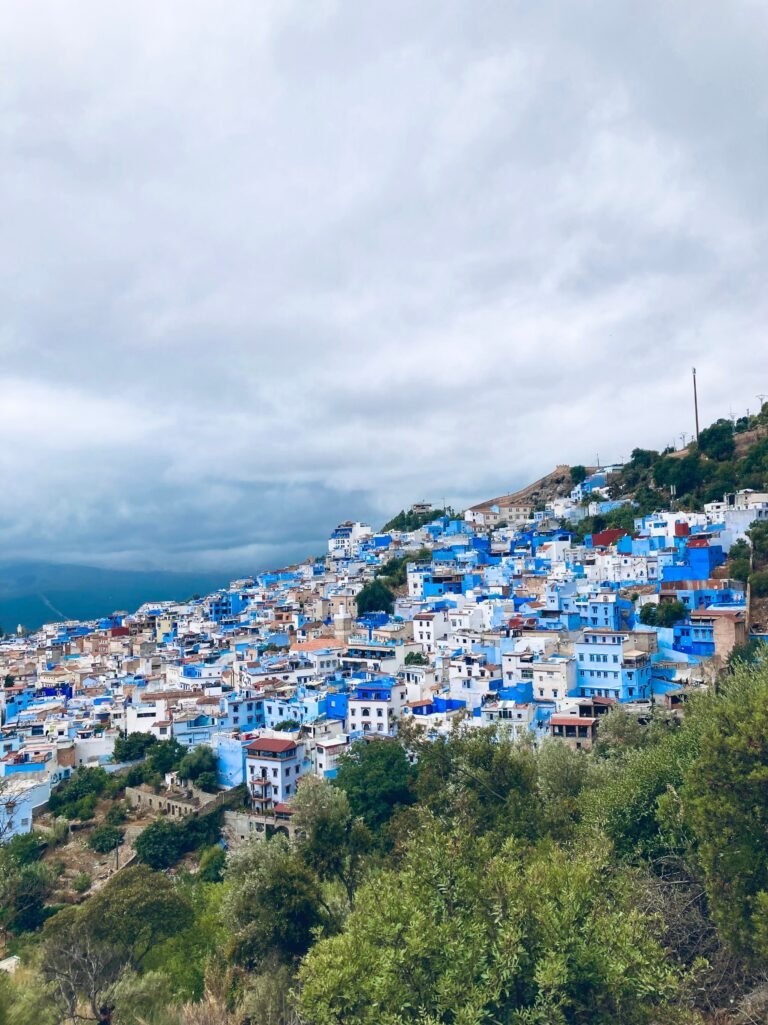
Asilah is the easiest addition for travellers interested in a smaller walled coastal town. Trains and road transport make it feasible as a day trip, though schedules should be checked. Tetouan offers a contrasting Andalusian medina and deserves a full day rather than a rushed stop. Chefchaouen is farther and better treated as an overnight destination unless private transport and an early start are arranged.
For a wider northern route, continue to Tetouan for its UNESCO-listed medina or spend two nights in Chefchaouen. Larache is a quieter Atlantic stop when travelling south.
Frequently asked questions
Is Tangier suitable for first-time visitors to Morocco?
Yes. Transport is straightforward, the principal visitor areas are compact and the city offers both historic and contemporary settings. Allow time to adjust to medina navigation.
Should I hire a guide?
A licensed guide is useful for historical context and a focused first medina walk, but independent exploration is also practical with saved landmarks and patience.
Can I visit Tangier on a day trip?
A day reveals Grand Socco, part of the medina and the Kasbah, but it leaves little room for the coast. An overnight stay produces a more balanced visit.
What should I wear?
Choose comfortable, modest clothing suitable for hills, wind and changing temperatures. A light layer and shoes with grip are useful throughout the year.
Final Planning Note
Tangier works best when its old city, modern avenues and Atlantic edge are treated as three distinct experiences. Confirm museum schedules, keep one coastal block flexible and choose accommodation according to station access or medina atmosphere. That simple structure leaves enough time to notice the city rather than merely pass through it.