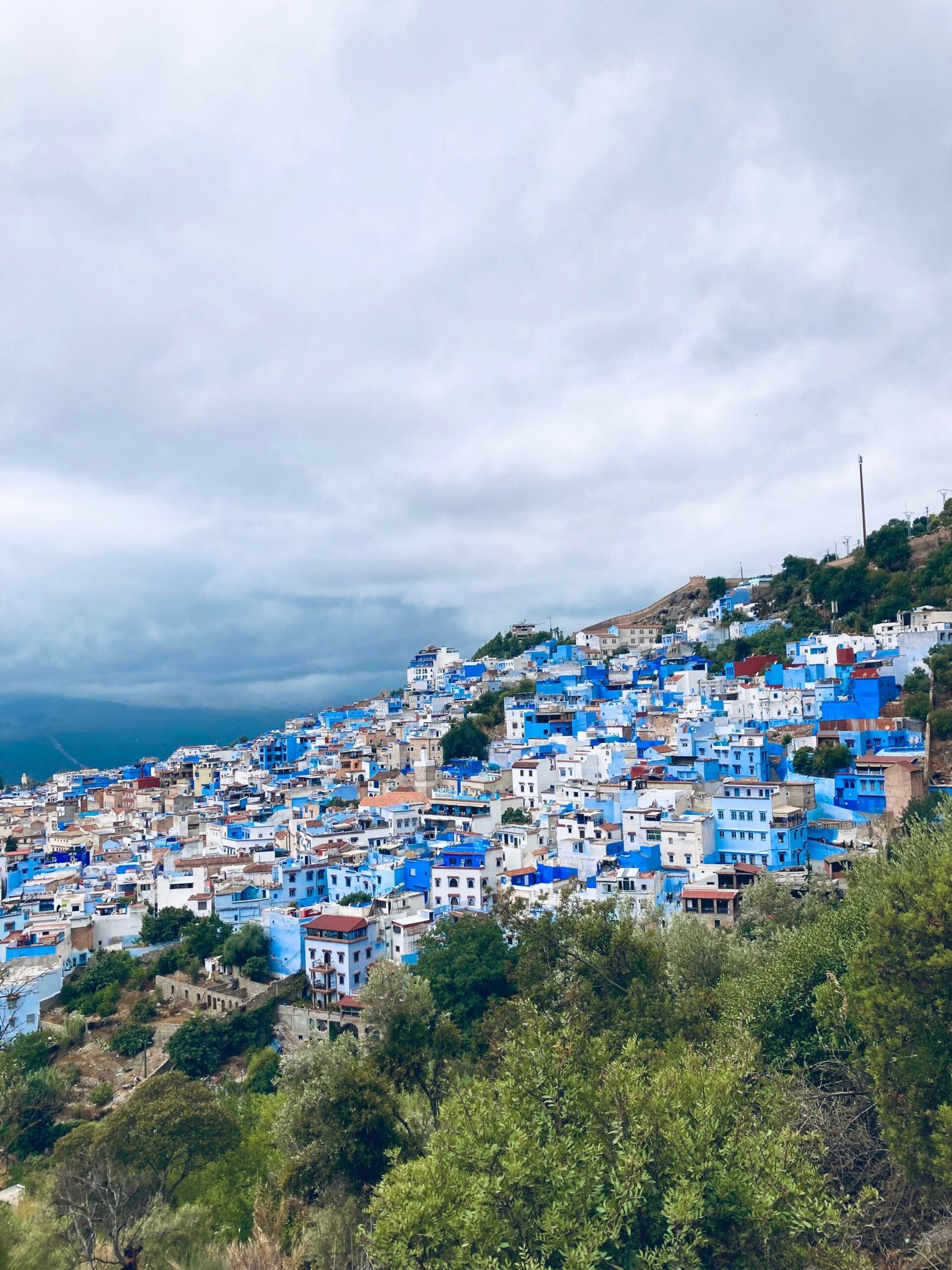

Chefchaouen is a compact mountain town in northern Morocco, recognised for blue-painted medina lanes set beneath the Rif peaks. Its visual identity draws day visitors, yet an overnight stay reveals a more useful rhythm: quiet streets early in the morning, active craft shops later in the day and cooler viewpoints toward evening. Two days suit the town itself; a third allows a responsible nature outing. The steep terrain, road-only access and popularity require more planning than the small map suggests.
Why Visit Chefchaouen?
The medina is the central experience, but its appeal lies in scale and setting rather than one monumental attraction. Painted walls, stairs, small squares and workshops create a sequence of changing views. The surrounding mountains remain visible at the edges, preventing the old town from feeling detached from its landscape.
Chefchaouen also offers a slower alternative to large-city sightseeing. Visitors can divide the day between walking, meals, craft shopping and one viewpoint without relying on taxis inside the centre. Those interested in hiking can use the town as a base, provided routes are chosen with current weather and local advice.
Outa El Hammam and the Kasbah Area
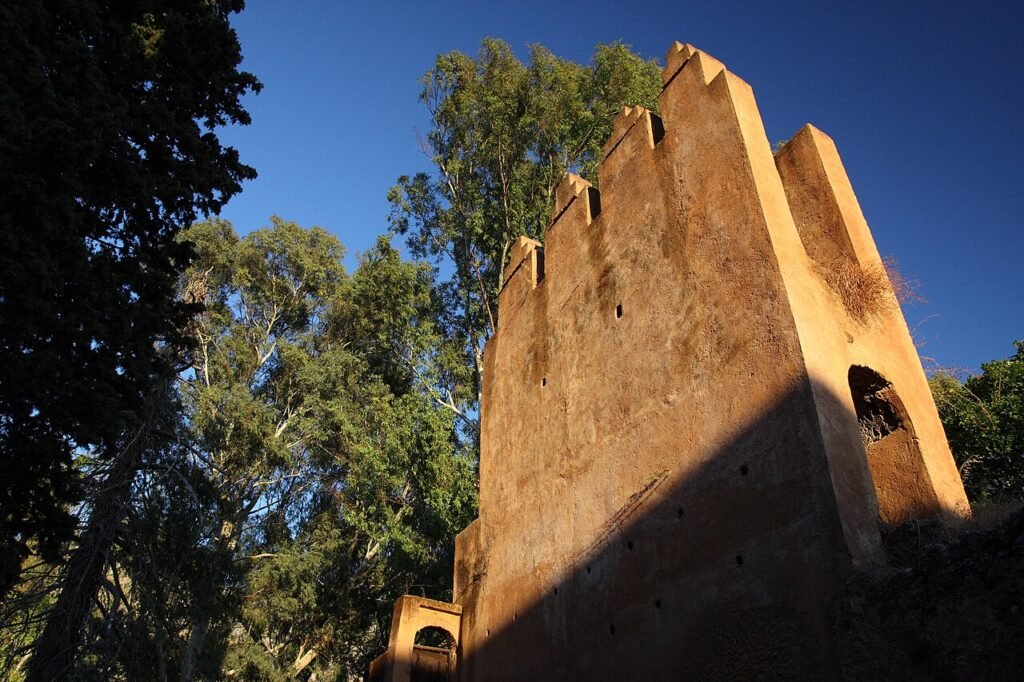
Place Outa El Hammam is the medina’s main orientation point. Cafés face the square and the kasbah walls define one side. Begin here, note the routes toward your accommodation and avoid assuming that every upward lane returns in a neat loop. The kasbah’s access and exhibitions should be confirmed locally because opening arrangements can change.
The square becomes busy as tour groups arrive. An early visit offers room to observe architecture, while evening is better for atmosphere. Menu prices around the square may reflect the location; compare a few places and choose based on cleanliness, menu clarity and the view you actually want.
Walking the Blue Medina
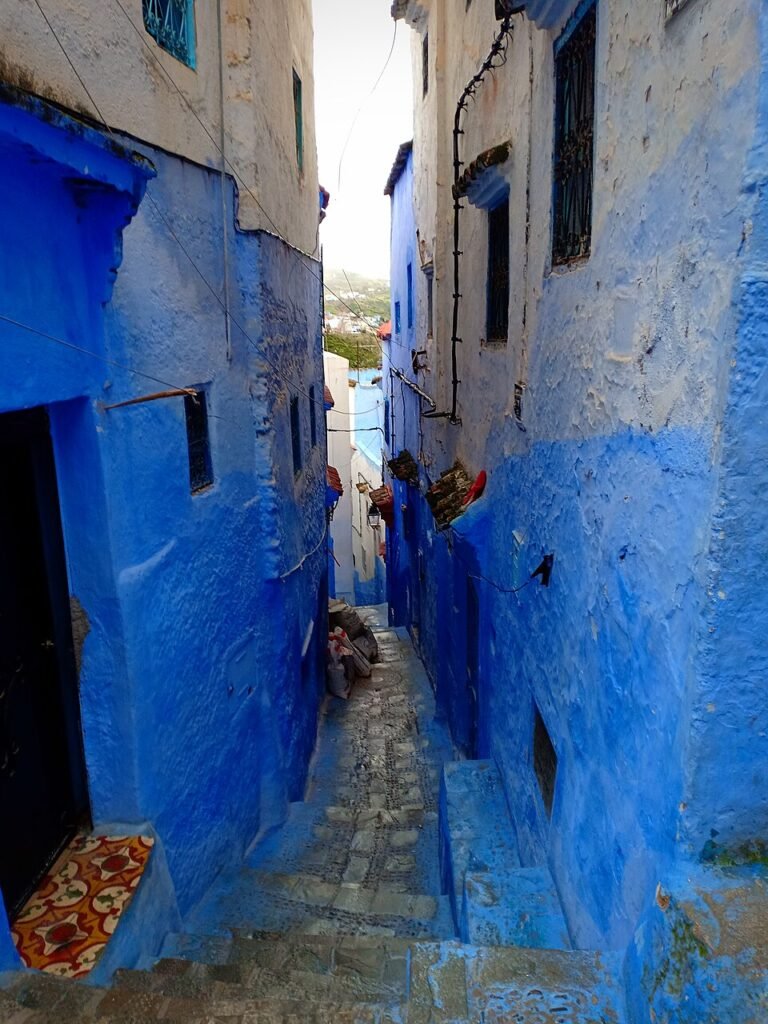
The medina should be explored as a lived neighbourhood. Keep doorways clear, ask permission before portraits and avoid elaborate photo setups that interrupt movement. Blue tones vary by lane and maintenance cycle, so there is no single “correct” route. Walk in short sections, return to known landmarks and allow residents to pass.
Comfortable footwear matters because steps can be steep and polished. After rain, painted surfaces may become slippery. Travellers with limited mobility should ask accommodation hosts about access before booking; a property that looks central may require a long staircase from the vehicle drop-off.
Ras El Maa and the Eastern Edge
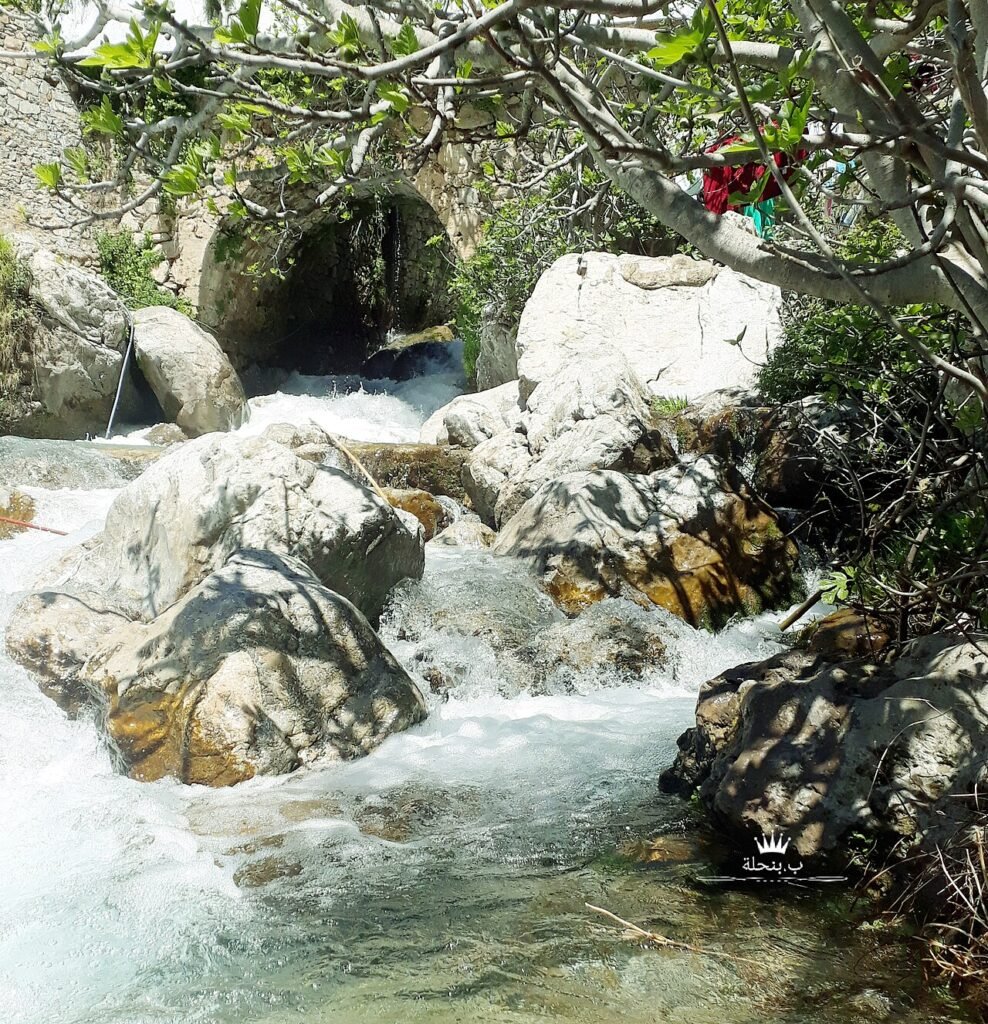
Ras El Maa lies where water emerges near the medina’s eastern side. It marks the point where the tight lanes give way to the open mountain edge. Continue only on marked, appropriate paths and avoid crowding working or washing areas. The route can connect with elevated viewpoints, but darkness changes footing and navigation.
The commonly visited Spanish Mosque viewpoint sits above town and is popular near sunset. Start early enough to climb at a comfortable pace, carry water and use a light for the descent. Weather can obscure the view; the walk should remain worthwhile as a landscape experience rather than a guaranteed sunset photograph.
Crafts and Responsible Shopping
Chefchaouen is associated with woven goods, wool garments, leather items and locally styled decorative pieces. Ask where an item was made and inspect seams, dyes and materials. Not everything sold in the medina is produced locally, so compare shops without turning the conversation into an interrogation.
Bargaining may be appropriate where prices are not fixed, but it should remain calm. Decide what the object is worth to you and walk away politely when it does not fit. Pack fragile goods carefully and check customs rules for natural materials before travel.
Akchour and Talassemtane
Akchour and the landscapes of Talassemtane National Park are frequently linked with Chefchaouen, but they are separate excursions requiring road transport and suitable preparation. Trail conditions, water levels and access can vary. Seek current information from a reputable guide or accommodation that works with established operators.
Do not choose a route solely from a short social-media video. Ask about distance, elevation, shade, swimming conditions and the return time. Carry water, food, sun protection and proper footwear, and keep waste with you. During or after heavy rain, follow local advice and avoid exposed or slippery sections.
Where to Stay in Chefchaouen
Inside the medina, almost every route involves steps. A central riad saves daytime walking but may require porters for heavy luggage; properties near Ras El Maa or outside the walls offer road access and wider views at the cost of an uphill return.
Lina Ryad & Spa
Lina Ryad & Spa is an upper-range medina property close to the central lanes. It suits travellers seeking a small spa hotel and willing to manage pedestrian access.
Dar Echchaouen Maison d’Hôtes & Riad
Dar Echchaouen lies near Ras El Maa at the mountain edge. The setting is useful for views and eastern walks, although guests should confirm the gradient and taxi drop-off before arrival.
Casa Hassan
Casa Hassan is near Outa El Hammam and works for travellers who value a central medina location and traditional atmosphere. Ask whether the reserved room is in the main building or an annex. Weekend and spring demand can change rates quickly, so compare identical room types and cancellation terms.
Food and Dining
Menus commonly include tagines, couscous on traditional serving days, soups, grilled dishes and salads. Northern touches and goat cheese may appear, while simple bakeries and juice shops help with light meals. Choose restaurants with clear menus and visible turnover instead of assuming every rooftop serves distinctive food.
Breakfast at a guesthouse can be substantial, so plan lunch accordingly. For food allergies, explain the ingredient in Arabic or French and ask about sauces, bread and shared cooking surfaces. Carrying a written translation reduces ambiguity.
Getting There and Around
Chefchaouen has no railway station or airport. Coaches, shared taxis and private transfers connect it with Tangier, Tetouan, Fez and other cities. Buy bus tickets from the operator or authorised outlet and verify the departure station. Road times vary with traffic and weather, so avoid tight flight connections.
Inside the medina, walking is the only practical method. Petit taxis can serve outer districts and the bus station. Accommodation hosts may arrange luggage help; agree on the meeting point and price in advance.
Best Time to Visit
April through June and September through October usually support comfortable walking. Summer is busy and midday heat makes climbing harder. Winter can be cold and wet, especially inside traditional buildings, so confirm heating and carry layers.
Weekdays and overnight stays help avoid the strongest day-trip crowds. Begin photography early, rest during the busiest hours and return to the lanes later. Mountain weather can change quickly even when the town is clear.
Approximate Budget
A practical daily budget is approximately 450–1,300 MAD per person, excluding intercity transport. Modest guesthouses and simple meals keep costs lower; well-positioned riads, private transfers and guided hikes raise the total. Peak weekends can tighten availability.
Prices vary by season, booking time and service. Confirm whether breakfast, local taxes, guide transport and hiking meals are included. Cash is useful in small shops, though many established accommodations accept cards.
A Three-Day Chefchaouen Itinerary
Day 1: Medina Orientation
Arrive with daylight, locate Outa El Hammam and walk a limited medina circuit. Visit the kasbah if open, have an early dinner and learn the route back to the accommodation.
Day 2: Lanes, Crafts and Viewpoint
Begin before tour groups arrive. Explore workshops, stop for lunch and rest. Later, walk toward Ras El Maa and climb to a suitable viewpoint with enough daylight for the return.
Day 3: Nature with a Clear Plan
Take a guided Akchour or Talassemtane outing matched to current conditions and fitness. If weather is poor, keep the day in town for food, crafts and quieter neighbourhood edges.
Nearby Places
Tetouan is the most logical cultural extension, while Tangier provides onward rail and air links. Either deserves its own day. Rural Rif stops should be arranged respectfully through operators who understand access and community expectations rather than improvised as photo detours.
The most practical onward links are Tetouan and Tangier. Spend at least one night in Chefchaouen when photography, crafts or a Rif walk matters; a hurried day trip misses the quieter hours.
Practical Tips
- Save the nearest vehicle-access point to your lodging.
- Wear shoes with grip and carry a light after sunset.
- Ask before photographing residents or shop interiors.
- Check weather and trail advice before nature excursions.
- Book weekend accommodation early in popular seasons.
- Leave enough road time for onward connections.
Frequently Asked Questions
How many days are enough?
Two days suit the medina and viewpoints; add a third for a nature excursion.
Can I visit as a day trip?
Yes from parts of northern Morocco, but an overnight stay reveals quieter hours and reduces time pressure.
Is the town difficult to walk?
Distances are short, yet stairs and steep lanes are common. Accessibility varies significantly by accommodation.
Do I need a guide for Akchour?
A reputable local guide is advisable when conditions, route choice or your mountain experience are uncertain.
Photography Without Disrupting the Medina
The blue lanes are public passages and residential entrances, not an open studio. Work quickly, stand to one side and move when residents or deliveries need space. Ask before including a recognisable person, especially a child. A closed door does not become a public prop because it has attractive paintwork.
Early light reduces crowds and harsh contrast. A phone or small camera is easier to manage on steps than a large tripod. Drones are subject to Moroccan rules and local restrictions; do not bring or operate one without confirming lawful authorisation. Accurate captions should name only places you can identify.
Managing Steep Streets and Luggage
Accommodation distance should be measured from a vehicle-access point, not from the centre of the map. Ask the host how many steps remain after taxi drop-off and whether staff can help with luggage. Wheeled cases are awkward on uneven stairs; a lighter bag simplifies a short stay.
Travellers with knee, balance or mobility concerns should choose a property outside the steepest medina section and request a ground-floor or lift-accessible room. A central label is less important than a route that can be used comfortably twice each day.
Building a Calm Two-Day Visit
Visitors not hiking can still use two full days well. Reserve the first for orientation, the kasbah area and an early evening meal. On the second, photograph quieter lanes in the morning, speak with craft sellers, take a long lunch and walk toward Ras El Maa later. This pace leaves space for ordinary town life and avoids repeating the same central loop.
Weather Alternatives
Rain changes both mountain plans and medina footing. Replace a hike with craft shopping, a longer meal, a verified museum visit or time reading on a covered terrace. Carry a compact waterproof layer rather than an umbrella that blocks narrow lanes. If heavy rain is forecast, ask the transport operator whether road timing may change.
Planning for Luggage and Arrival
The bus station sits below the medina, and the final approach to many guesthouses includes slopes or steps. Send the property an arrival message and request its preferred taxi drop-off point. Travellers with large bags should ask about porter arrangements before reaching town. For an early departure, confirm whether reception can organise a taxi and breakfast; finding both at dawn is less predictable than during the day.
Final Planning Note
Chefchaouen deserves calm mornings, respectful photography and realistic expectations about steep lanes. Add a mountain outing only when weather, footwear and transport are suitable. By separating the town from Akchour and choosing accommodation with access in mind, the visit remains enjoyable rather than physically rushed.