
Why Visit Bali?
Bali rewards many styles of travel. First-time visitors can combine culture in Ubud, coastal relaxation in the south and a scenic escape in the mountains. Couples find private villas and memorable sunset restaurants, families have access to calm beaches and comfortable resorts, while solo travellers enjoy social cafés, yoga studios and guided day trips. The island is compact on a map, yet each area has its own atmosphere.
What makes Bali special is the way daily life remains visible beside tourism. Small offerings appear outside homes and shops, processions occasionally fill village roads, and ornate family temples rise behind garden walls. Travelling respectfully gives you a richer experience and helps preserve the traditions that make the island distinctive.
Best Areas to Explore
Ubud and Central Bali
Ubud is an excellent base for art, food, wellness and inland scenery. The centre is busy, but nearby villages quickly become quieter. Visit local galleries, walk through rice fields in the morning and explore temples with a knowledgeable guide. The surrounding region includes waterfalls, craft villages and the famous rice terraces around Tegallalang. Staying slightly outside central Ubud often provides a more peaceful experience while keeping restaurants and attractions within easy reach.
Seminyak, Canggu and the Southwest Coast
Seminyak is known for polished restaurants, boutiques, beach clubs and stylish accommodation. Canggu has a younger, more relaxed energy with surf breaks, coworking spaces and a large café scene. Traffic can be slow in both areas, so choose your base according to what you plan to do rather than trying to cross the coast several times each day. Sunset is the main event: arrive early, find a simple beach seat and watch the sky change over the Indian Ocean.
Uluwatu and the Bukit Peninsula
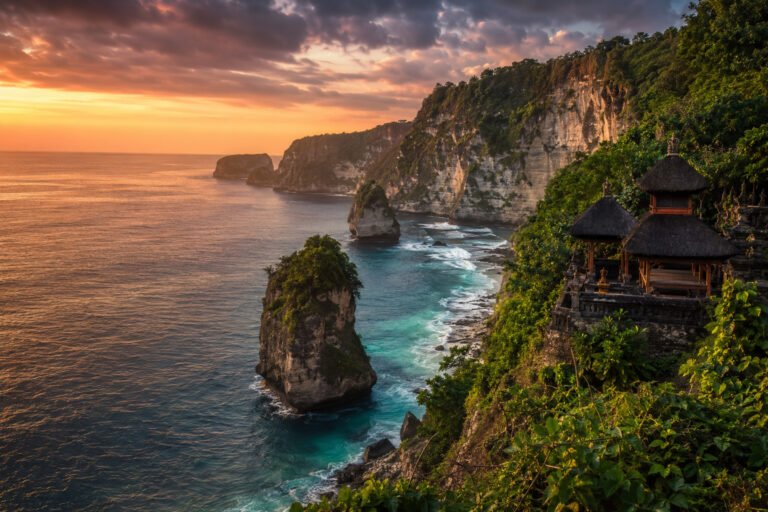
Southern Bali offers dramatic cliffs, clear water and some of the island’s most impressive coastal views. Uluwatu Temple occupies a spectacular position above the sea, and the nearby Kecak performance is particularly atmospheric near sunset. Beaches such as Padang Padang and Melasti are beautiful, although access may involve steps and ocean conditions vary. Nusa Dua is a calmer alternative for travellers who prefer organised resorts and gentler beach days.
Temples, Culture and Local Etiquette
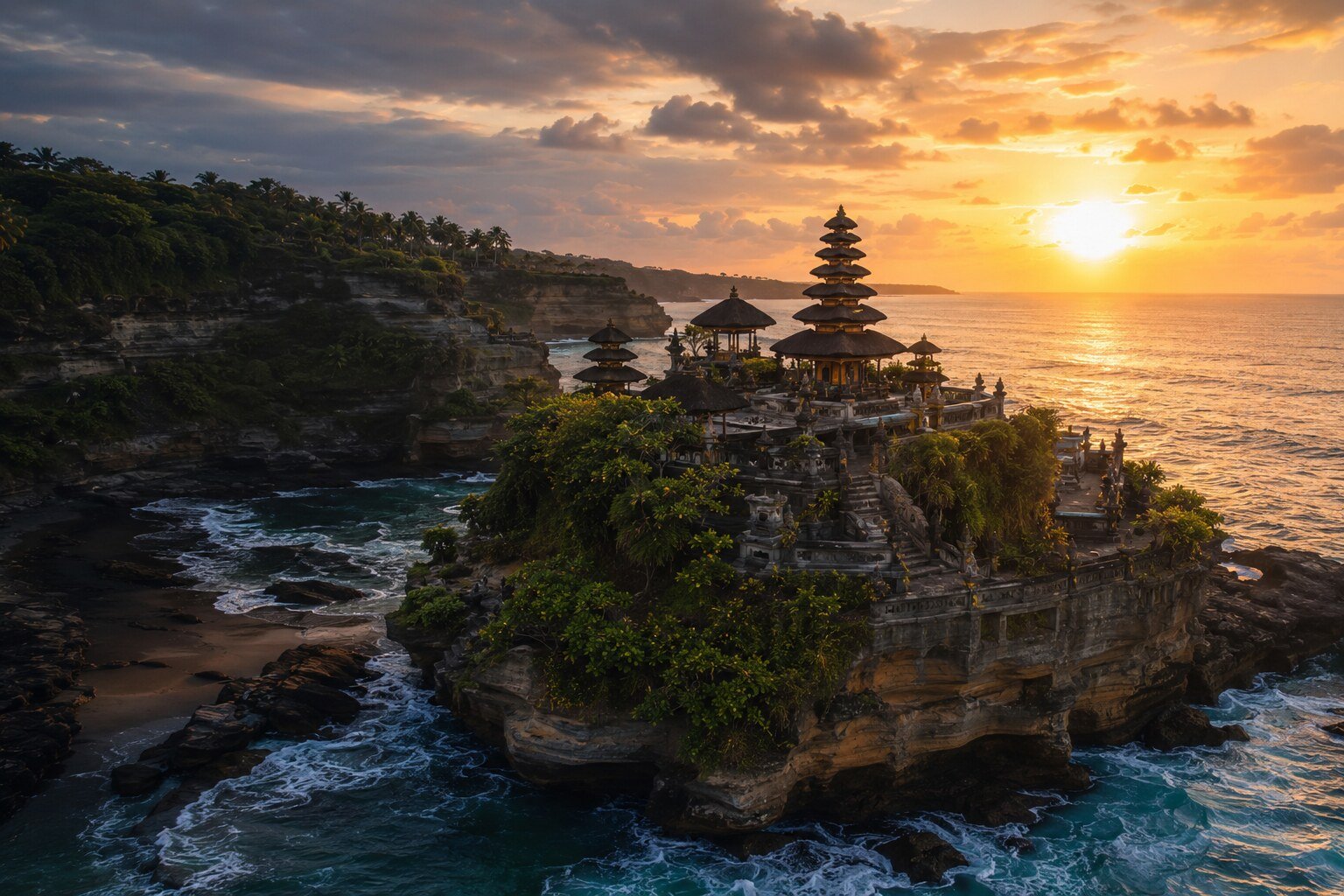
Temples are not simply monuments in Bali; they remain active places of worship. Dress modestly, use the provided sarong when required and follow signs or local instructions. Do not enter a ceremony space unless visitors are clearly welcome. Tanah Lot is famous for its offshore setting, while Tirta Empul is known for sacred spring water. Smaller village temples can be equally memorable when visited respectfully.
Voymira Tip: Carry a lightweight sarong, avoid stepping on offerings placed on the ground, and ask before photographing people during ceremonies.
Traditional dance, woodcarving, painting and textile work offer another route into Balinese culture. Rather than treating a performance as a quick photo stop, learn a little about the story and music beforehand. Buying directly from local artists and small workshops can also make a visit more personal.

Beaches and Natural Landscapes
Bali’s beaches differ greatly. The southwest has powerful surf and broad sunset views, the southeast offers calmer resort beaches, and eastern bays are popular for snorkelling and diving. Conditions change with the season and tide, so follow local advice and never underestimate strong currents. Inland, Mount Batur attracts sunrise hikers, while Munduk offers cooler air, waterfalls and green mountain scenery.
For a quieter pace, consider Sidemen in eastern Bali. Its rice fields, villages and views of Mount Agung create an atmosphere that feels far removed from the busiest coastal districts. The north around Lovina is also more relaxed, although journeys take longer than map distances suggest.
What to Eat in Bali
Balinese food is fragrant, colourful and often built around rice, vegetables, sambal and slowly cooked meats. Look for nasi campur, a mixed plate that lets you taste several preparations at once. Other favourites include satay lilit, grilled seafood and lawar, a seasoned mixture commonly served with rice. Many towns also have excellent Indonesian food from other islands.
Local warungs range from simple family kitchens to modern restaurants. Choose busy places with a steady flow of customers, especially when ordering prepared dishes. Bali also has strong vegetarian and international dining scenes, particularly in Ubud and Canggu. Drink sealed or properly filtered water, and keep small notes available for casual cafés and markets.
Getting Around the Island
Bali does not have a comprehensive rail or public transport network for visitors. Private drivers are practical for day trips and transfers between regions, while licensed taxis and reputable ride services work well in many built-up areas. Scooter rental is common, but it should only be considered by experienced, properly licensed riders using a quality helmet and appropriate insurance.
Plan conservatively. A short distance can take much longer during busy periods, religious processions or heavy rain. Group nearby sights into the same day and leave generous time before airport departures. For a relaxed holiday, split your stay between two or three bases instead of changing hotels every night.
Best Time to Visit Bali
April through October generally brings drier conditions and is popular for beaches, hiking and outdoor exploration. July and August are among the busiest months, so accommodation prices may rise and major attractions feel crowded. The wetter season from roughly November through March usually brings humidity and tropical showers, but rain is not necessarily continuous and the landscapes become intensely green.
Shoulder months such as May, June and September can offer a useful balance of pleasant weather and fewer visitors. Weather patterns vary, so pack light rain protection throughout the year. Mountain areas are cooler than the coast, especially before sunrise.
A Simple Seven-Day Bali Itinerary
- Day 1: Arrive, settle into your first base and enjoy an easy sunset dinner.
- Day 2: Explore a southern beach and visit Uluwatu Temple in the late afternoon.
- Day 3: Transfer to Ubud with a stop at a craft village or waterfall.
- Day 4: Discover Ubud’s markets, galleries, temples and nearby rice-field walks.
- Day 5: Take an early trip to Mount Batur, Tirta Empul or the central highlands.
- Day 6: Spend a slower day at a spa, cooking class or village workshop.
- Day 7: Enjoy breakfast, purchase local crafts and leave ample time for the airport.
Travellers with ten days can add Sidemen, Munduk or a nearby island. Avoid building an itinerary around too many distant photo stops. Bali becomes more enjoyable when every day includes unplanned time.
Practical and Responsible Travel Tips
- Use reef-safe habits, refuse unnecessary single-use plastic and refill water where safe.
- Book local guides for cultural and nature experiences whenever possible.
- Wear sun protection and carry water, especially during temple and rice-terrace visits.
- Keep valuables secure and use official services for money exchange and transportation.
- Respect quiet villages, sacred spaces, dress requirements and community ceremonies.
Bali can be luxurious, affordable, energetic or peaceful depending on where you stay and how you plan. Give the island time, travel with patience and look beyond the busiest landmarks. The result is a journey filled not only with beautiful scenery, but also with food, craft, tradition and human connections that remain memorable long after you leave.